

3D Sand Printing Advantages
Make Your Move to 3D Sand Printed Molds for Metal Castings
3D sand printing transforms mold production by going straight from digital CAD to finished form—no patterns, no tooling, no delays. Using advanced additive manufacturing, layers of sand are precisely bonded to create molds in a single, streamlined process. The result: dramatically faster setup, shorter lead times, and rapid turnaround for prototypes and low-volume runs.
Where it truly stands out is design freedom. Complex internal channels, intricate cores, and undercuts are built seamlessly in one piece—no assembly required. Unlike traditional methods that rely on multiple mold sections and cores (increasing the risk of misalignment and defects), 3D sand printing enables bold, high-performance designs with greater accuracy and reliability. It’s not just faster—it unlocks innovation.
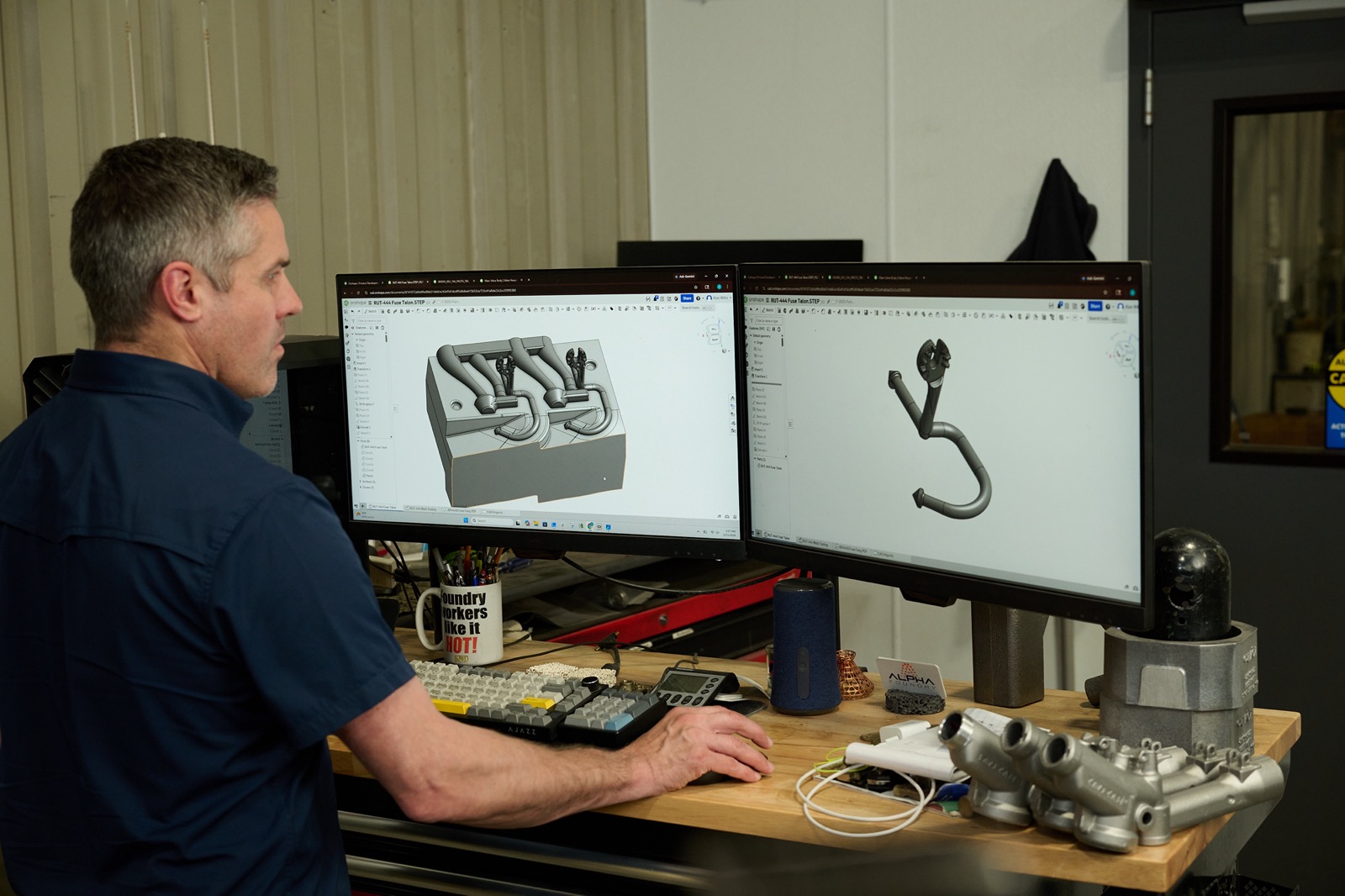
The 3D Sand Printing Process
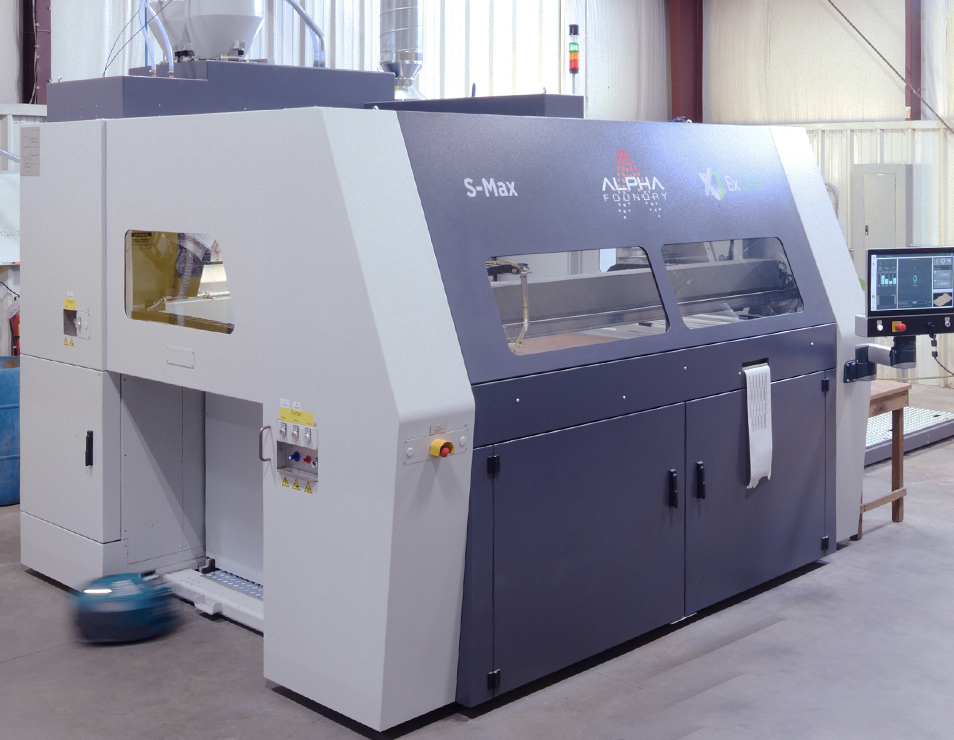
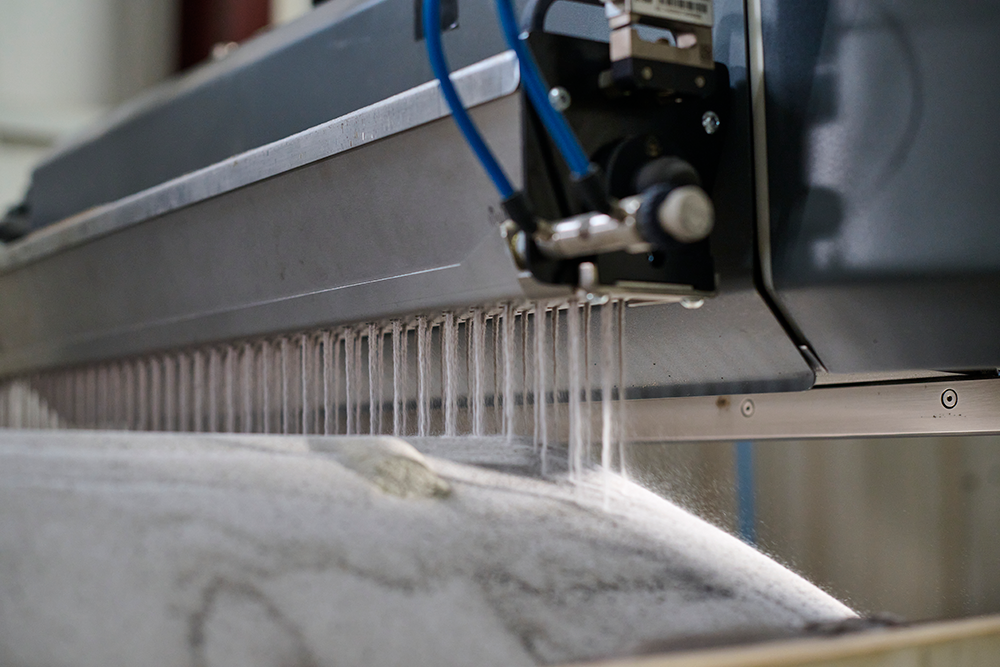
The process begins with a CAD (computer-aided design) model of the desired part. This model is digitally sliced into thin layers. A specialized 3D printer then deposits a thin layer of sand—typically silica sand—across a build platform. A binder, often a resin or chemical adhesive, is selectively sprayed or jetted onto the sand according to the cross-section of the design. This binder solidifies the sand in specific areas, forming one layer of the mold or core.
Once the file is imported to the printer- layer by layer, the printer repeats this process, gradually building a complete mold or core. Once printing is finished, the unbound sand is removed, leaving behind the hardened structure. The printed mold can then be used immediately for metal casting, where molten metal is poured into the cavity to create the final part.
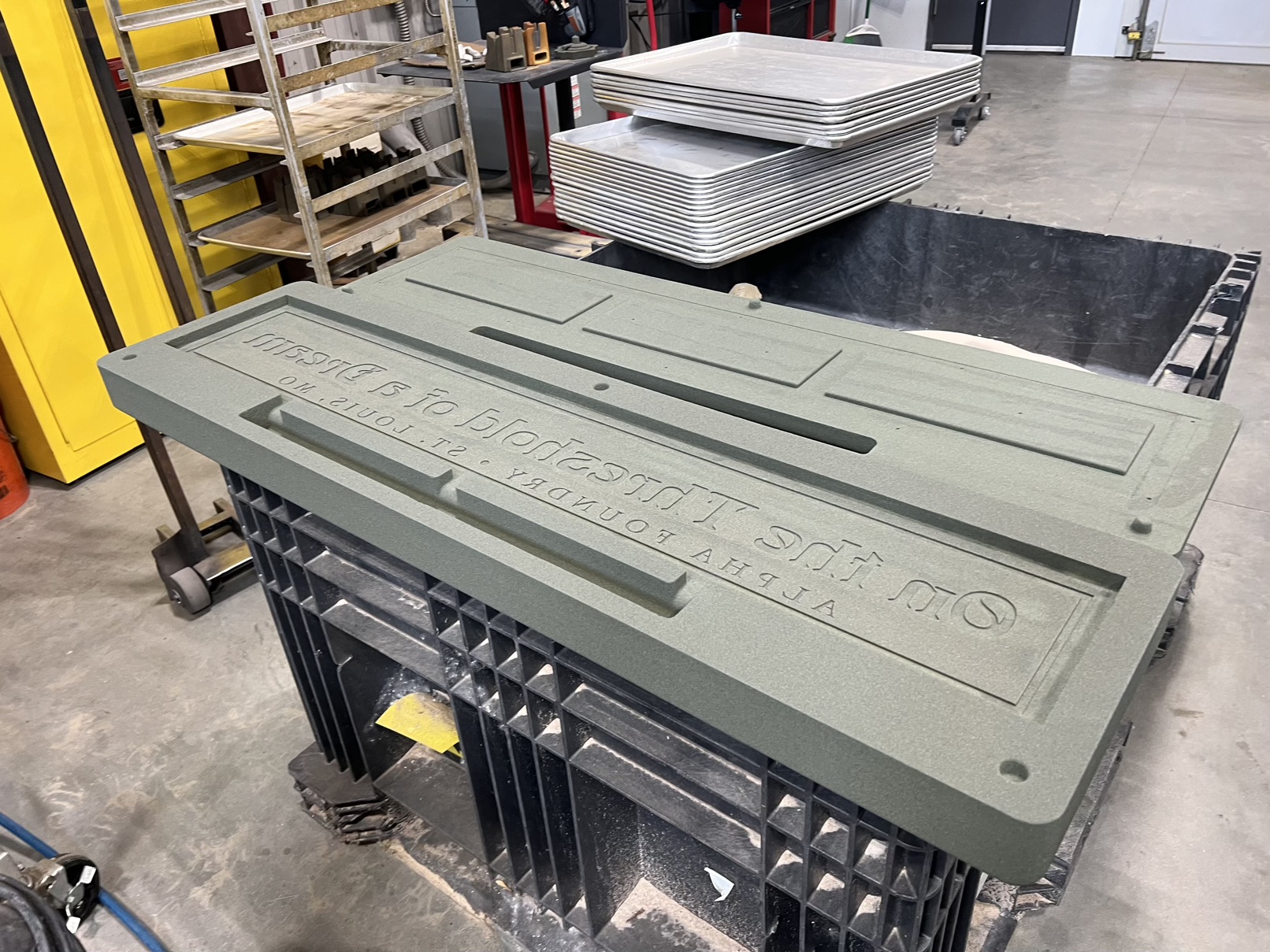
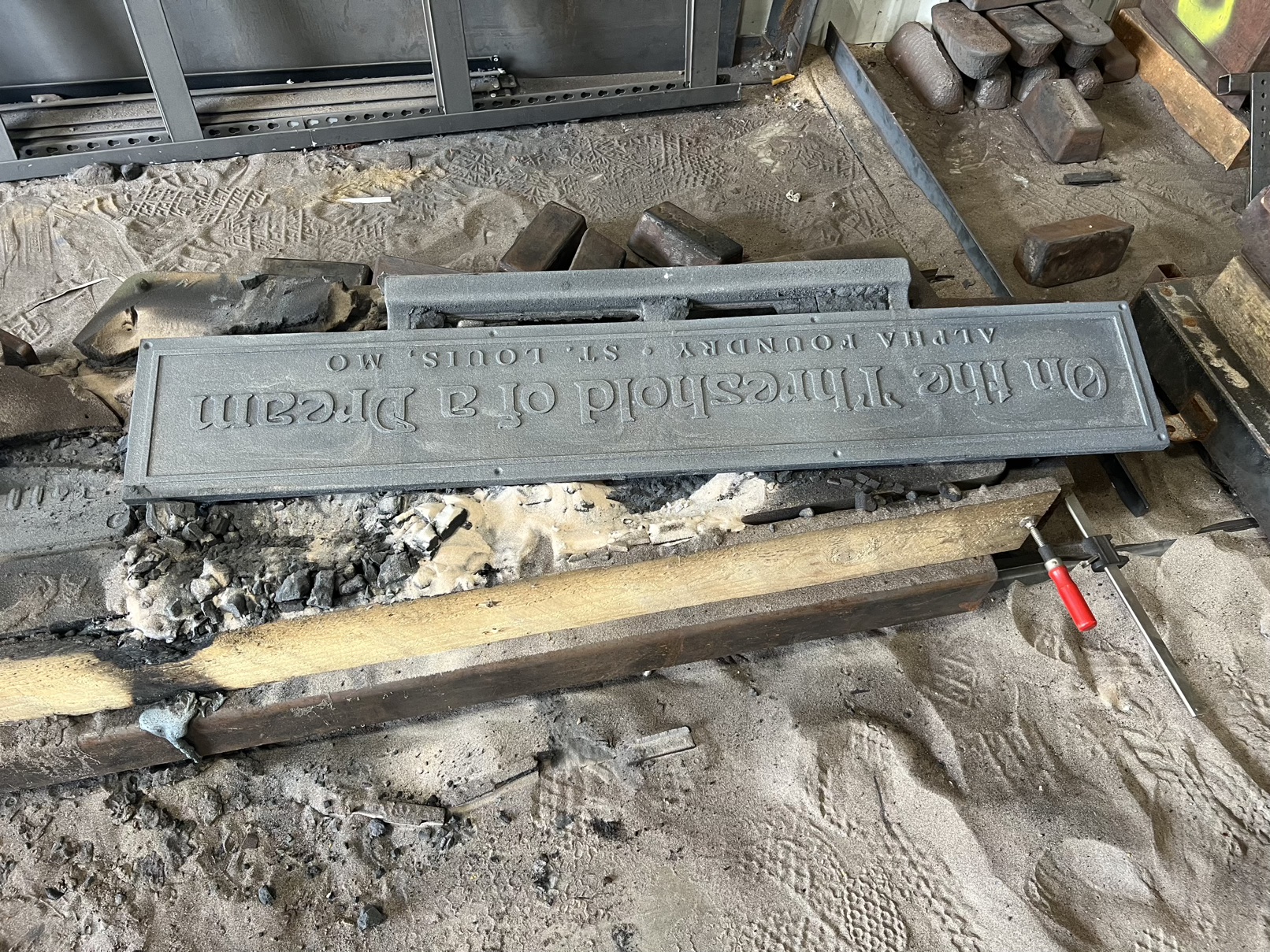
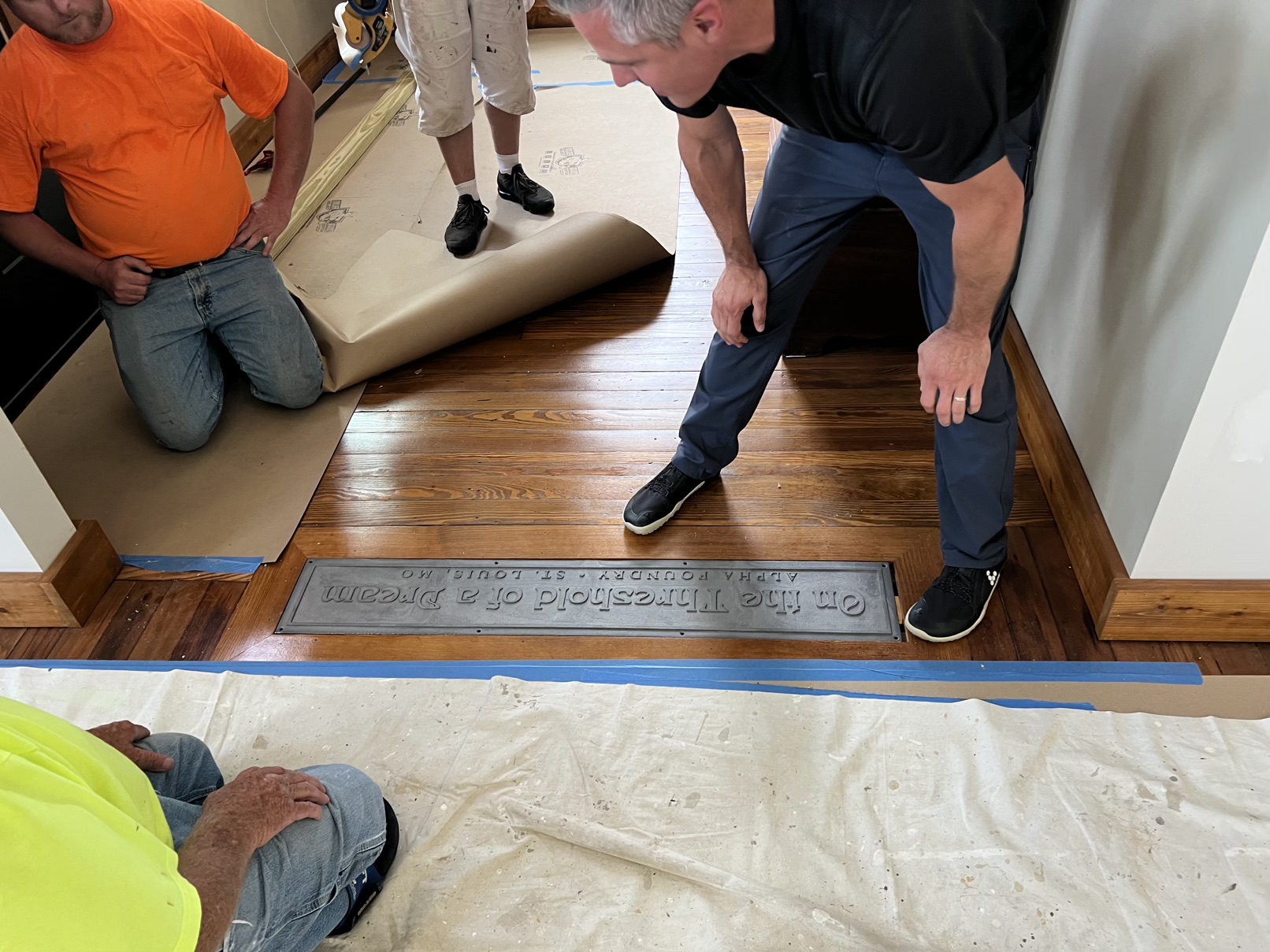
Project Lead Time
Traditional mold-making is slow, complex, and constrained by tooling—often stretching timelines from days into weeks or even months. 3D sand printing changes the equation entirely. By building molds directly from digital CAD files, it compresses production timelines to just hours or days—making it a powerful solution for rapid prototyping and low-volume production.
The real advantage emerges when designs evolve. Instead of retooling, engineers simply update the file and print again—accelerating iteration and keeping development on track. Even better, complex assemblies can be consolidated into a single printed mold, reducing labor, minimizing errors, and getting products to market faster.
3D Sand Printing
- Eliminates the need for patterns and tooling.
- Reduces upfront costs and shortens lead times, making it especially cost-effective for low-volume production, prototypes, or custom parts.
- Companies can move directly from a digital design to a physical mold within days, saving both time and engineering resources.
- This speed can translate into financial savings, particularly in industries where rapid iteration or time-to-market is critical.
Perfect for quick industrial and commercial prototype applications
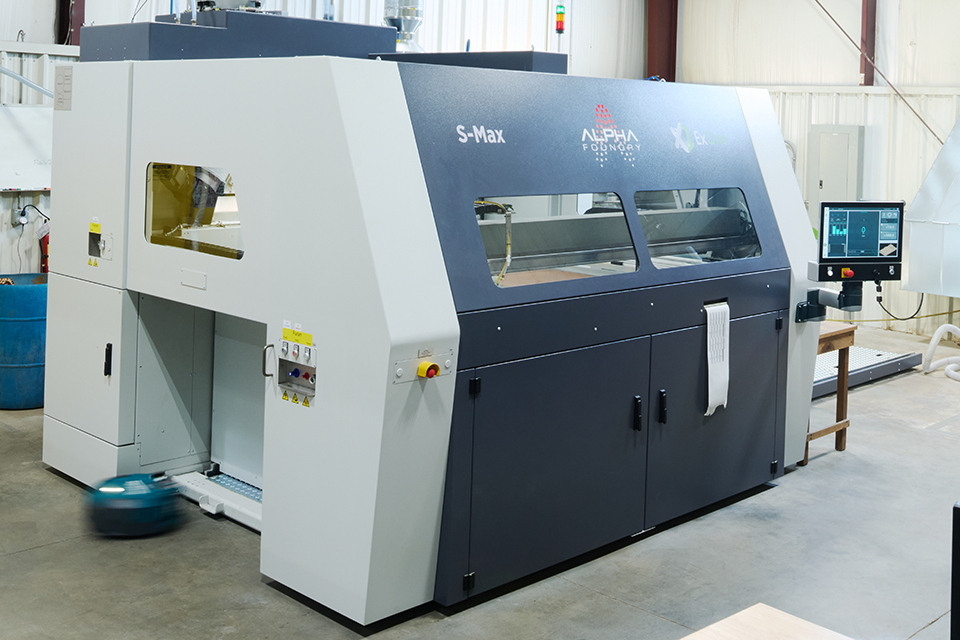
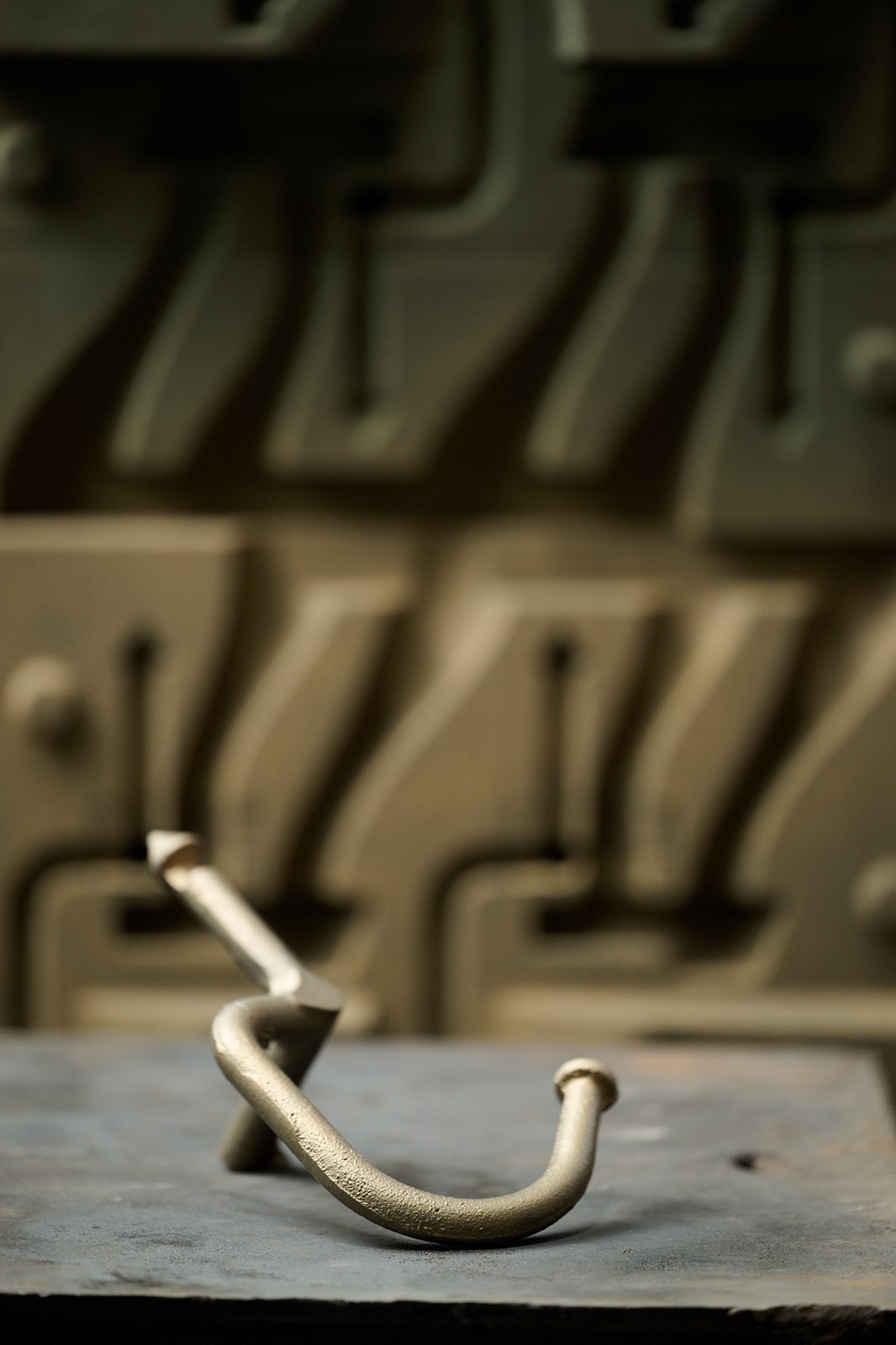
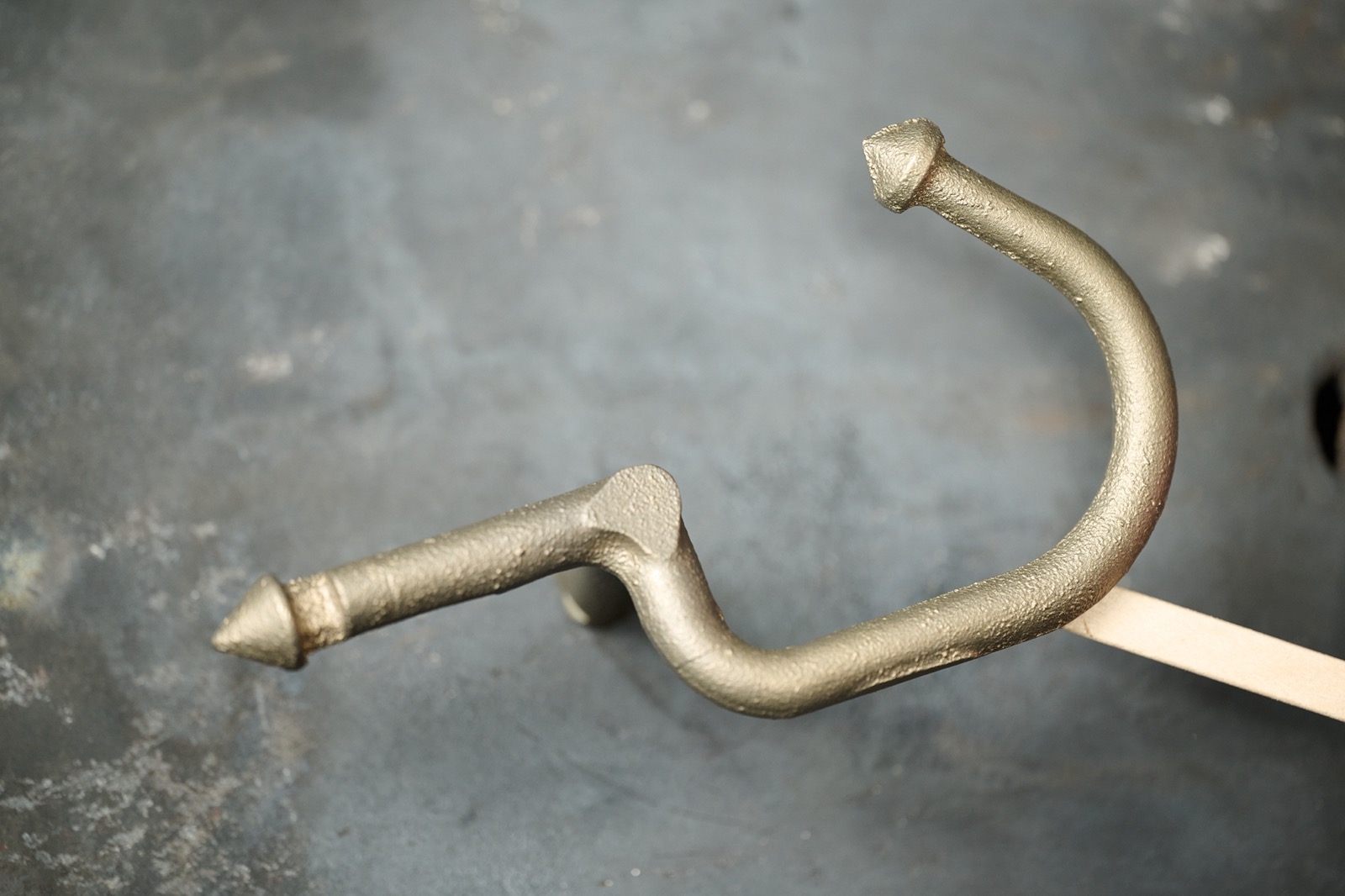
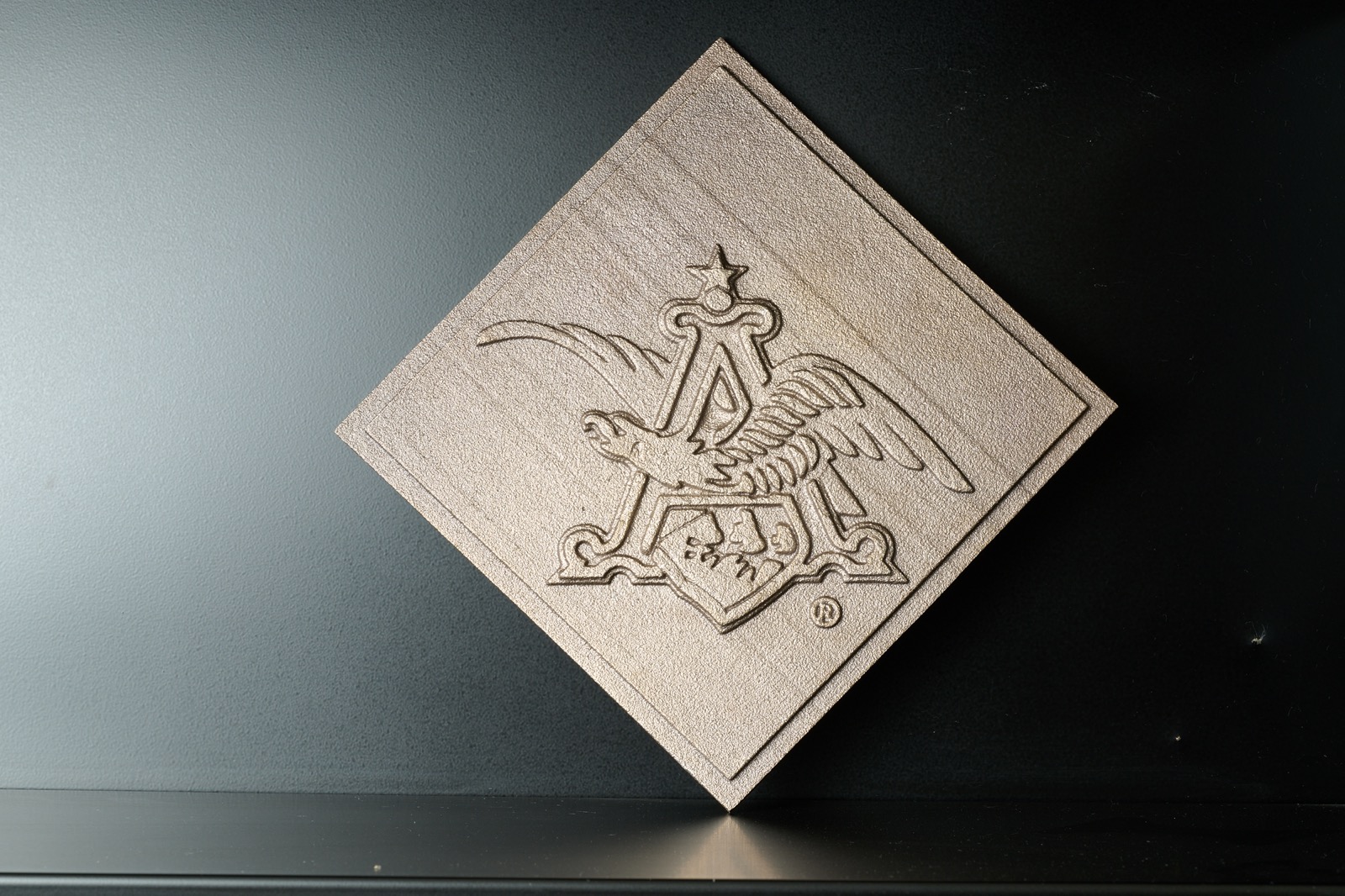
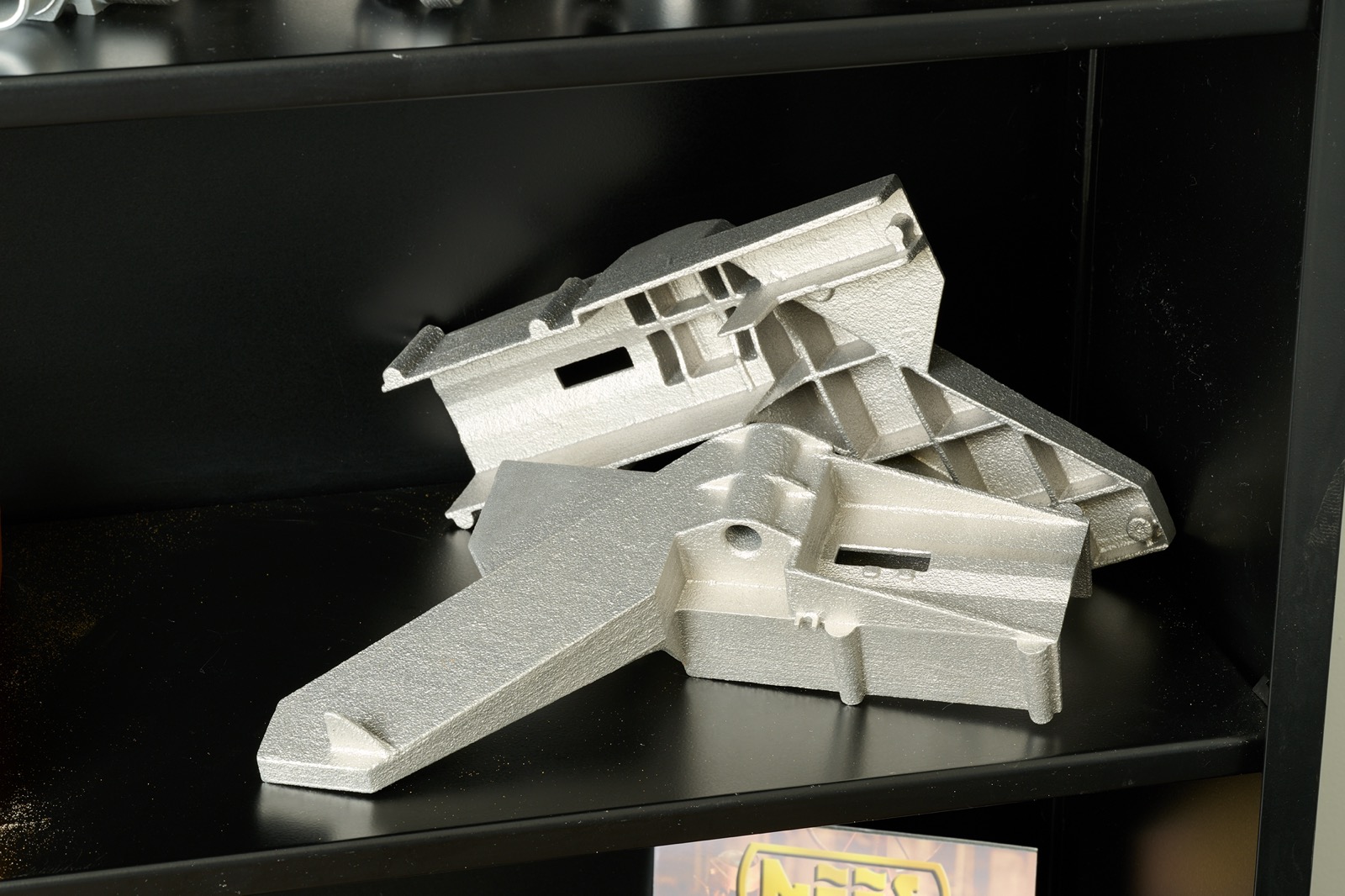
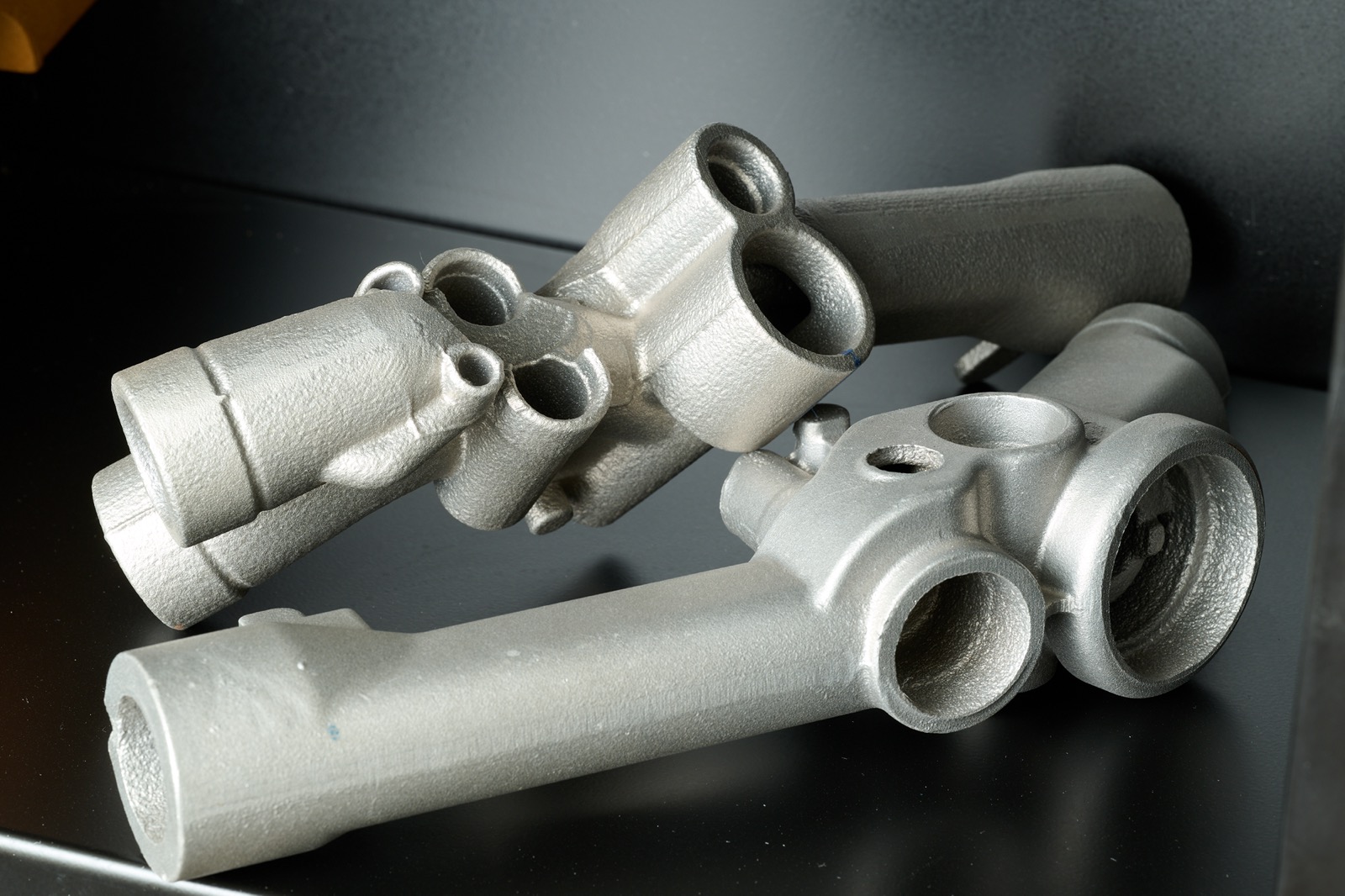
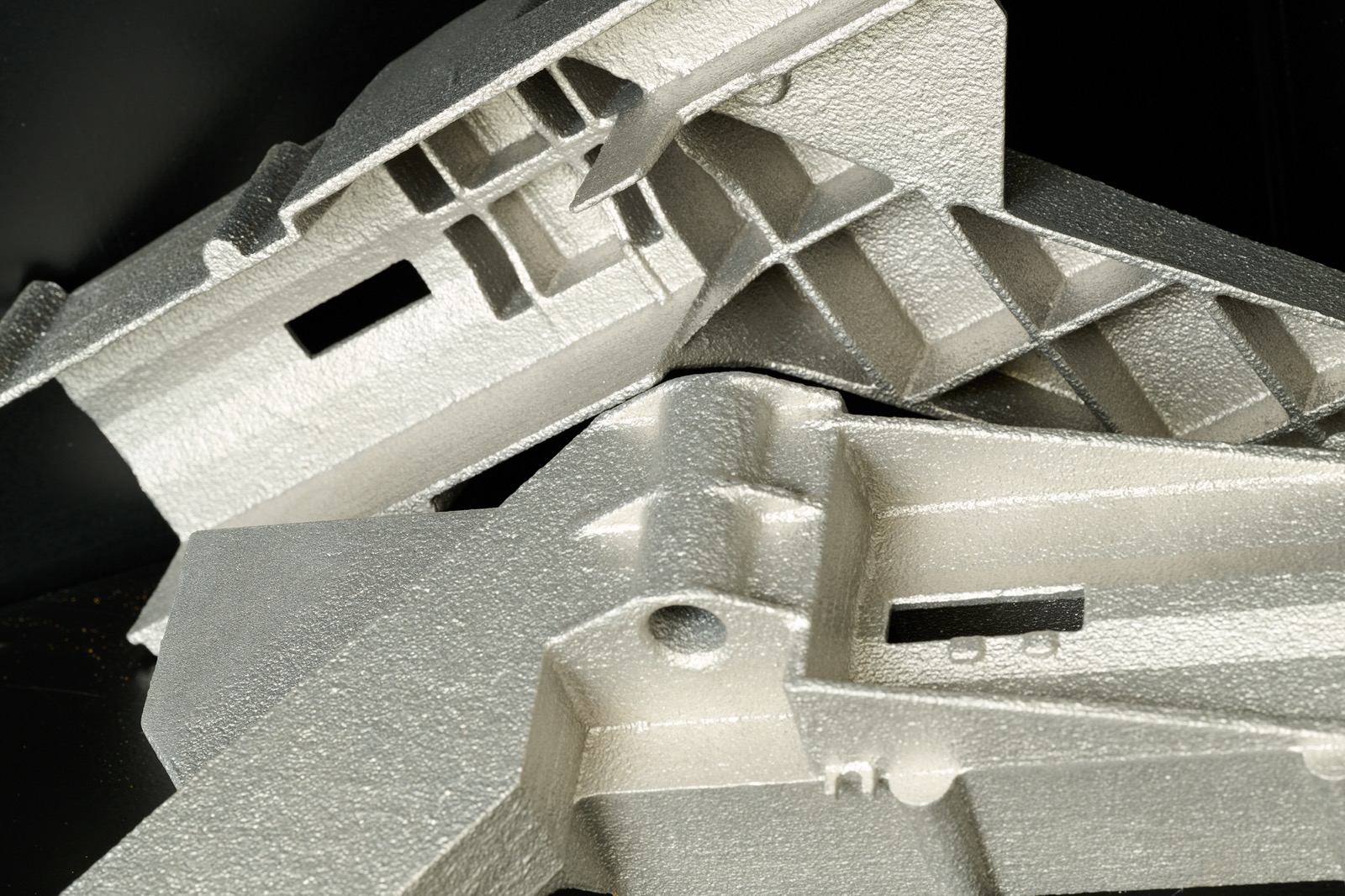
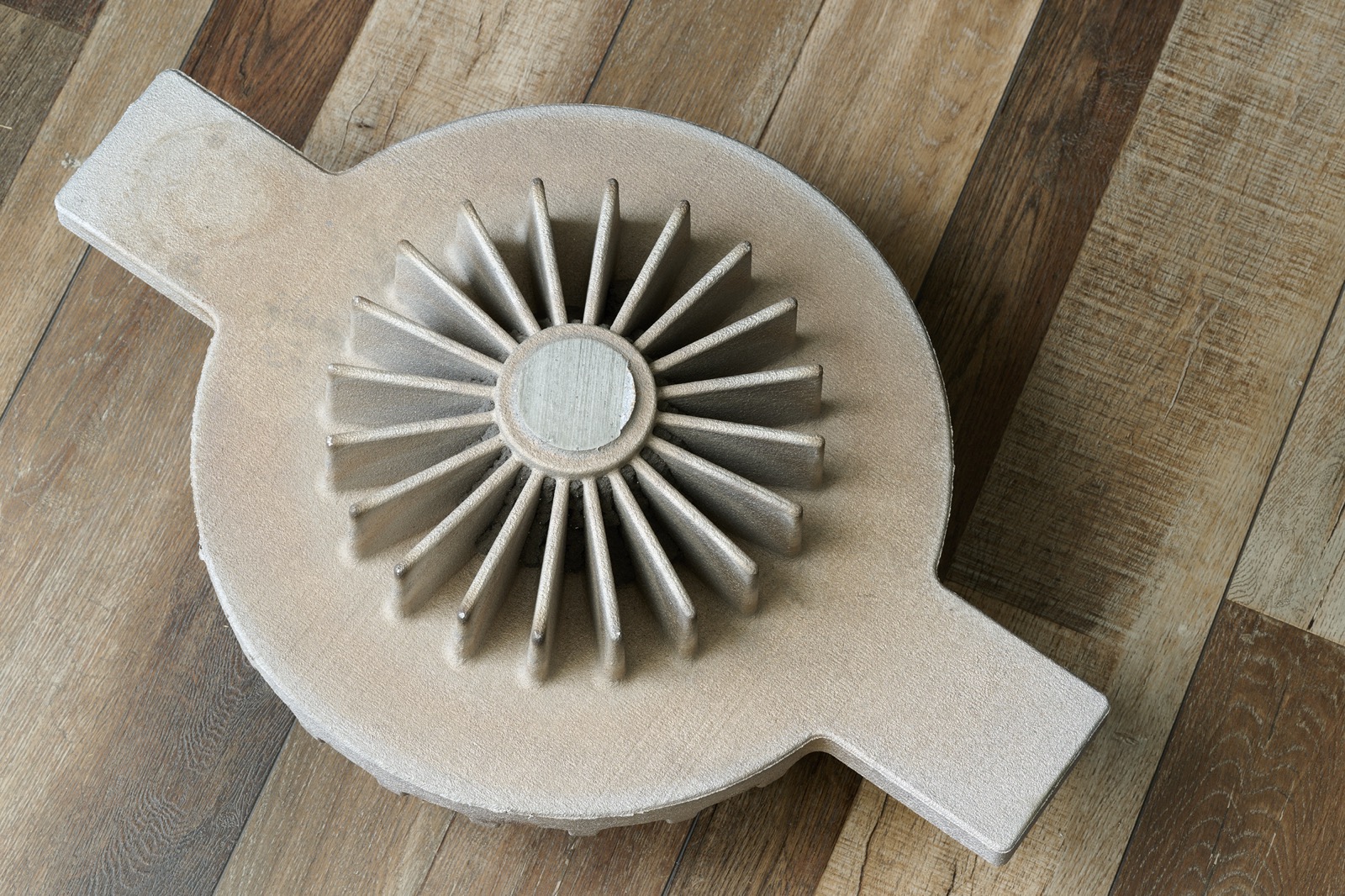
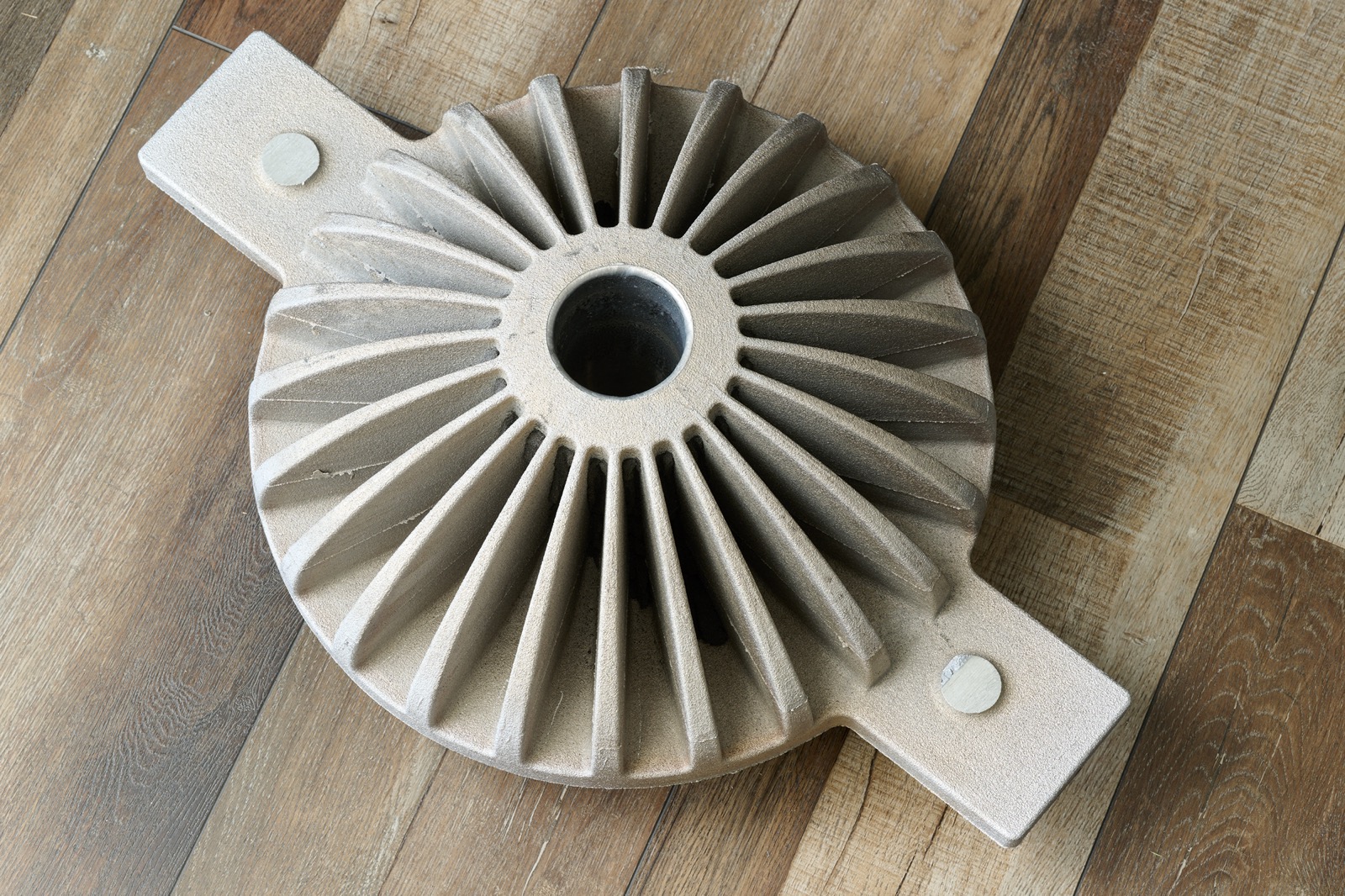
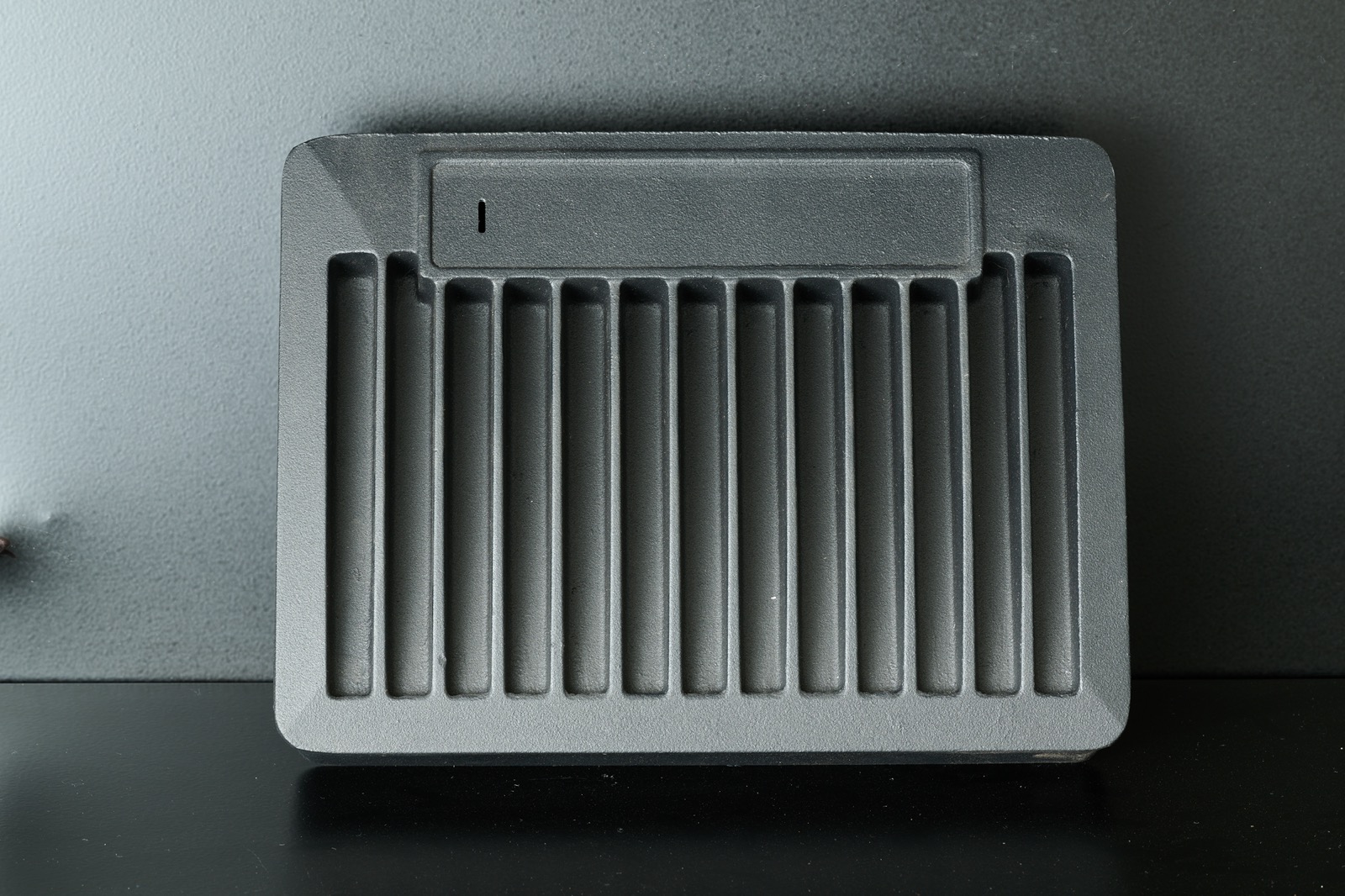
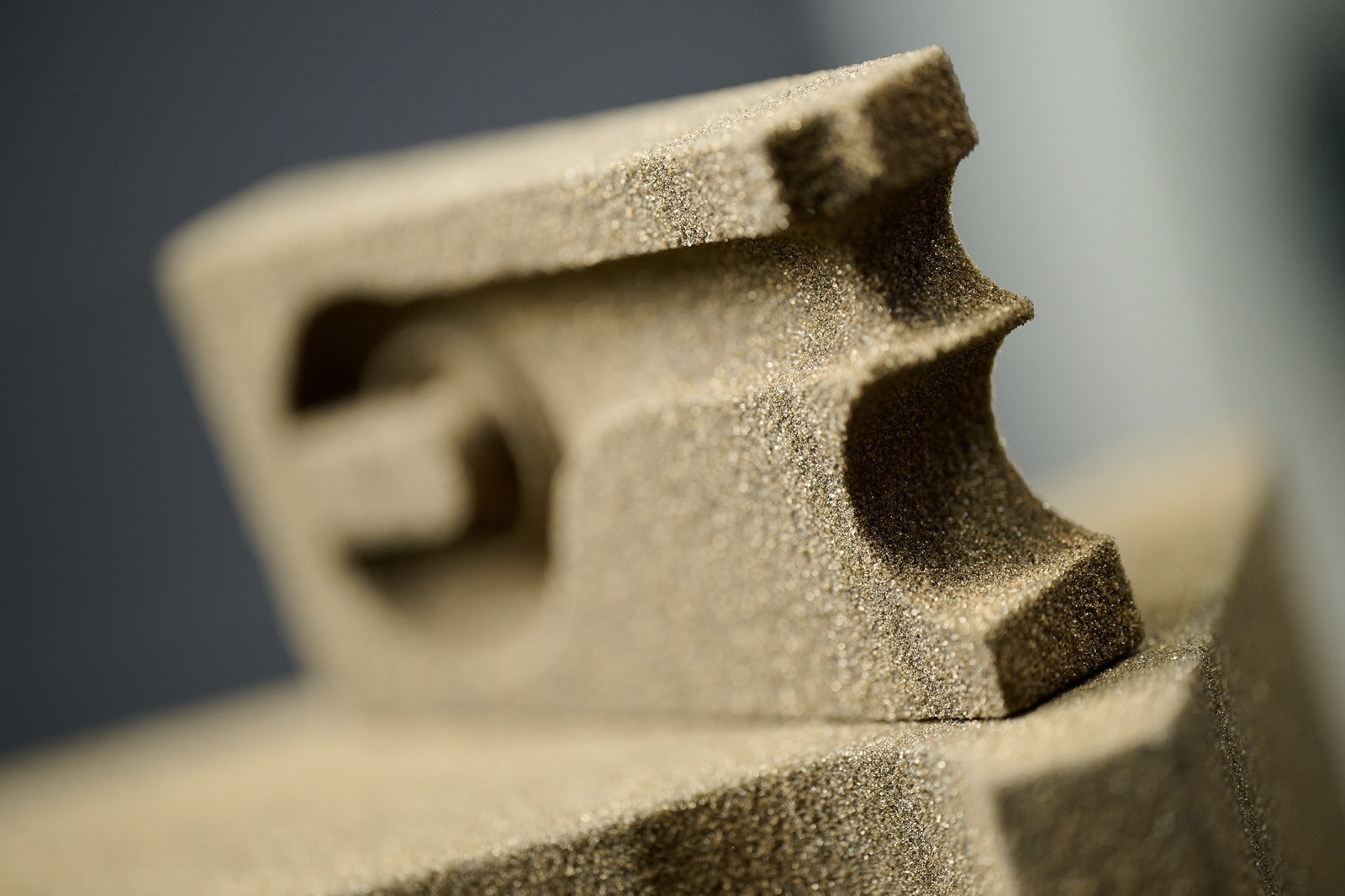
3D Sand Printing is here, it is now the way to produce molds to cast prototypes quicker, more efficient and less costly than traditional mold production.
For more information on how we can help you move your next mold and casting project to 3D sand printing, please give us a call or click here to email us and we will respond.